
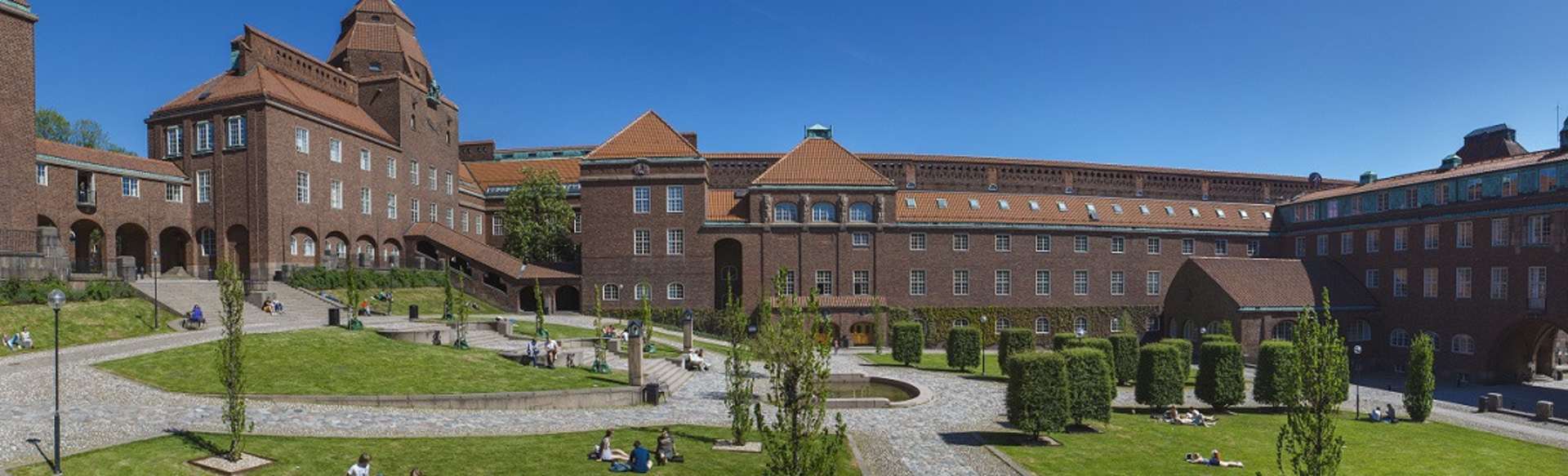

KTH Royal Institute of Technology
MSc Systems, Control and Robotics
Stockholm, 瑞典
硕士
期间
2 年
语言
英语
步伐
全职
报名截止日期
最早开始日期
Aug 2026
学费
SEK 360,000 *

学习形式
在校园
* non-EU/EEA/Swiss is 342,000 SEK.
The master’s programme in Systems, Control and Robotics focuses on the analysis, design and control of robots, autonomous vehicles, and other complex technical systems. It provides broad skills in the field and expertise through specialisations going deeper into areas such as autonomous sensing, AI, machine learning, decision making and control. Graduates face interesting careers, often in the robotics and autonomous vehicles industry, or as PhD students.
Systems, Control and Robotics at KTH
The master's programme in Systems, Control and Robotics equips you with the skills necessary to analyse, design and control complex technical systems such as robots and other systems with significant autonomous capabilities. These systems are essential today and will become even more important as new technology enters our workplaces, homes and shared public spaces.
The programme starts with a few mandatory courses that provide a solid foundation in systems, control and robotics, as well as scientific methodology in general. It continues with courses on one of two tracks chosen by the student. In addition to courses associated with the tracks, there are many elective courses within the broad areas of AI, machine learning and control. To be prepared for a diversity of future careers, you will also take a project course of choice, and participate in a seminar series in which an opportunity is provided to reflect on the societal context of systems, control and robotics, such as sustainability and ethics.
Robotics and autonomous systems
This track focuses on autonomous mobile systems that act in a dynamic world, including robots, drones and autonomous vehicles. Such systems need to act rationally based on information from complex sensors such as cameras or laser scanners to achieve both short- and long-term objectives in a changing world.
Learning, Decision and Control Systems
This track focuses on analysing and synthesising of decision and control systems, both model-based, including classical control systems and AI, as well as data-driven systems, with machine learning components.
This is a two-year programme (120 ECTS credits) in English. Graduates are awarded a Master of Science Degree. The programme is given mainly at the KTH Campus in Stockholm by the School of Electrical Engineering and Computer Science (at KTH).
- 机器人技术
- 控制理论
- 人工智能
- 机器学习
- 动力系统
可持续发展
KTH的毕业生拥有推动社会朝着更可持续的方向发展的知识和工具,因为可持续发展是所有计划的组成部分。系统、控制和机器人硕士课程解决的三个关键可持续发展目标是:
- 3 身体健康
- 8 体面工作与经济增长
- 9 工业、创新和基础设施
正是系统、控制和机器人领域的强劲发展,目前正在使汽车更加自主,机器人生产线对人类工人来说更加高效和安全,并通过提供自适应机器人助手使老年人更加独立。因此,目标 3(良好的健康和福祉)通过更安全的工厂和更好的老年人护理来解决。目标 8(体面工作和经济增长)通过更安全和更高效的工厂实现,目标 9(工业、创新和基础设施)通过自主运输和自动化生产线的结合实现。
控制和自动化专家,机器人导航和感知专家,人工智能和机器学习专家,机器人工程师,学术职业
系统,控制和机器人学的两年制硕士学位以系统,控制和机器人学及相关学科的核心课程为基础,并提供机会利用不同学科的独特课程–例如,整合,人工智能,机器学习和控制理论–以创建全面的教育。由于系统,控制和机器人工程师需要进行复杂技术系统的设计和分析方面的大量培训,因此该硕士课程为理论和实践奠定了坚实的基础。该计划的毕业生通常会最终进入机器人和自动驾驶汽车行业,例如ABB和Scania,或者成为KTH和其他大学的博士学位学生。
KTH为硕士学习提供四种不同的奖学金机会。 KTH奖学金涵盖一年或两年硕士课程的学费。 KTH一年期奖学金针对目前KTH硕士课程的学生,涵盖第二年的学费。 KTH联合项目奖学金针对某些联合项目的学生,涵盖在KTH学习期间的学费。 KTH印度奖学金专门针对来自印度的学生。
- KTH奖学金
- KTH一年期奖学金
- KTH联合项目奖学金
- KTH印度奖学金
瑞典学院
瑞典学院 (SI) 为来自目标国家来到瑞典的学生提供多种奖学金。
KTH相关奖学金组织
KTH与以下组织合作,为未来的KTH学生提供奖学金机会。
- COLFUTURO(Programa Crédito Beca)针对来自哥伦比亚的学生
- 面向印度尼西亚学生的 LPDP(印度尼西亚教育捐赠基金)
- FUNED 为来自墨西哥的学生
奖学金门户网站
IEFA数据库
IEFA 数据库提供全面的奖学金搜索、助学金列表和国际学生贷款计划。
学习门户
Studyportals 奖学金数据库列出了全球 1,000 多个为申请在欧盟学习的学生提供的奖学金和助学金。
学者4dev
发展奖学金是向发展中国家学生开放的奖学金数据库。
我们造学者
WeMakeScholars 帮助印度学生从银行和非银行金融机构获得教育贷款。他们还列出了来自不同信托、基金会和政府的 26,000 多项国际奖学金。身体。
美国学生贷款的延期
KTH是美国教育部认可的机构,拥有 Title IV“仅限延期”状态(OPE ID 03274300)。美国学生在就读KTH硕士课程期间可以推迟现有联邦学生贷款账户的付款。 “仅延期”状态不允许学生申请联邦学生贷款在KTH就读。然而,该认证为美国学生提供了助学金和贷款机会,因为美国许多私人学生贷款机构都将此指定作为发放新贷款的要求。希望推迟付款的学生必须联系他们在美国的贷款机构。
提供奖学金。请检查学院的网站以获取更多信息。
两年制系统、控制和机器人学硕士学位基于系统、控制和机器人学及相关学科的一套核心课程。它提供了利用来自不同学科的独特课程的机会 - 整合例如人工智能、机器学习和控制理论 - 以创建全面的教育。由于系统、控制和机器人工程师需要在设计和分析复杂的技术系统方面进行广泛的培训,因此该硕士课程为理论和实践奠定了坚实的基础。该计划的毕业生通常最终进入机器人和自动驾驶汽车行业,例如 ABB 和斯堪尼亚,或者成为 KTH 和其他大学的博士生。